
Introduction:
In the last decade, we’ve witnessed a revolutionary change in the way we live and interact with our homes. The rise of smart home technology is more than just a trend; it’s a glimpse into a future where our homes are more efficient, secure, and responsive to our needs. In this blog post, we’ll explore the world of smart home systems, examining how they work, their benefits, and what the future holds.
The Heart of Smart Home Systems:
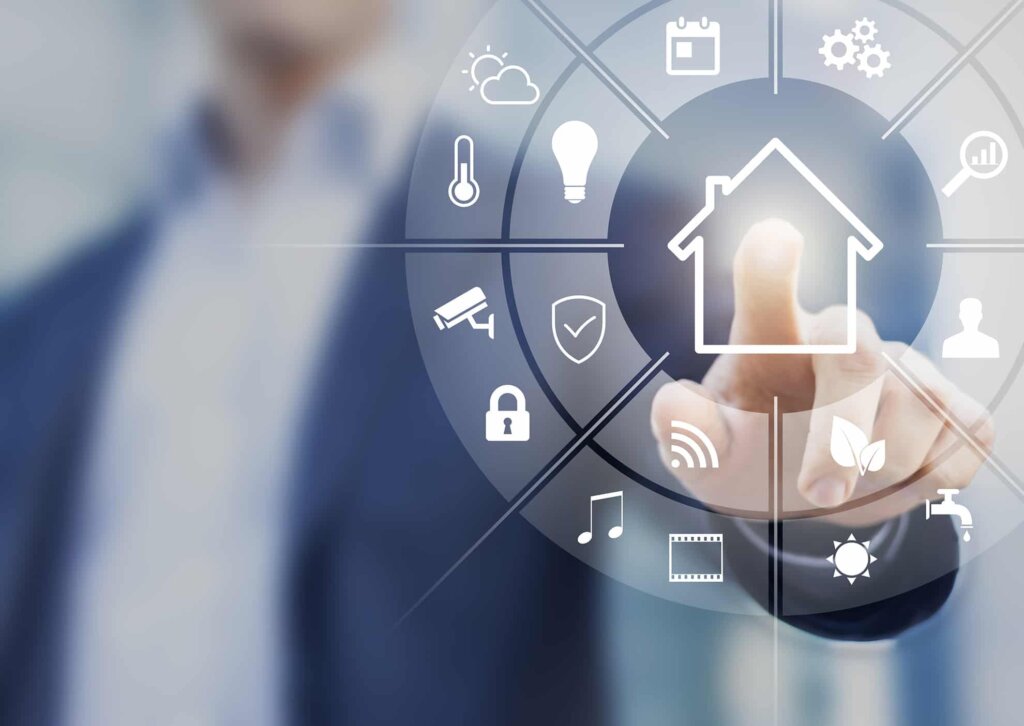
At the core of any smart home system is the concept of interconnectedness. These systems use a combination of sensors, IoT (Internet of Things) devices, and advanced software to create a network that’s controlled through a central hub, often via a smartphone app. Whether it’s smart thermostats, intelligent lighting systems, or automated security cameras, each component communicates and works together, creating a seamless, integrated experience.
Key Benefits of Smart Home Systems:
- Energy Efficiency: Smart thermostats like Nest or Ecobee learn your habits and adjust the temperature accordingly, reducing energy consumption and saving money.
- Enhanced Security: Smart security systems, including cameras, motion sensors, and smart locks, offer real-time monitoring and alerts, ensuring peace of mind.
- Convenience and Control: Control your home’s lighting, temperature, and even appliances with a simple voice command or a tap on your smartphone.
- Personalization: Smart systems adapt to your preferences, creating an environment that’s tailored to your comfort and lifestyle.
The Future of Smart Homes:
The future of smart homes is incredibly promising. With advancements in AI and machine learning, smart systems will become even more intuitive and capable of anticipating our needs. Imagine a home that not only responds to your commands but also predicts them, adjusting the lighting and temperature before you even realize you need it.
Challenges and Considerations:
Despite the allure, smart home technology isn’t without its challenges. Concerns about data privacy and security are paramount. As we integrate more devices into our homes, ensuring that they are secure and that our personal information remains private is crucial.
Conclusion:
Smart home systems represent a significant step forward in home automation and personal living spaces. As technology continues to evolve, these systems will become even more integrated into our daily lives, making our homes safer, more comfortable, and more attuned to our needs. The key to fully enjoying the benefits of smart homes lies in understanding the technology, embracing its possibilities, and being mindful of security and privacy considerations.